

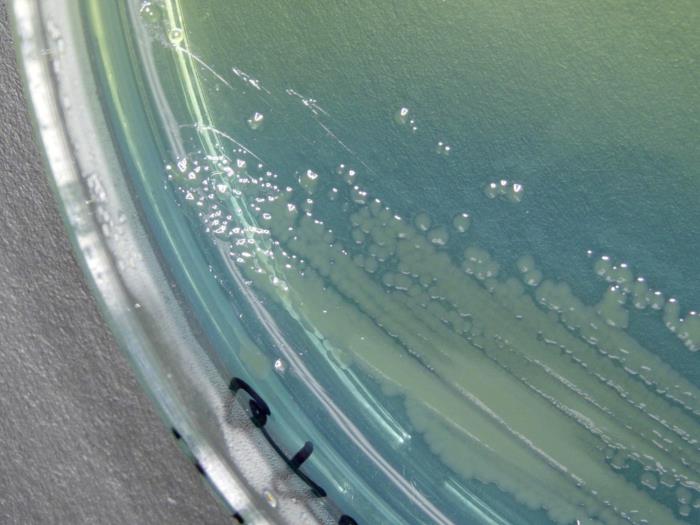
Multiphase Terminal Environmental Disinfection Targets Acinetobacter baumannii in ICUs

Acinetobacter baumannii (AB) exhibits prolonged persistence on intensive care unit (ICU) surfaces and plays a pivotal role in healthcare-associated transmission. However, evidence linking terminal environmental disinfection programs specifically targeting AB to clinical infection outcomes remains scarce. This study by Qiu, et al. (2026) aims to evaluate a multi-phase terminal disinfection program and the risk of multidrug-resistant organism healthcare-associated infection (MDRO-HAI).
A prospective four-phase study was conducted in a single ICU from September 2024 to September 2025. Patients with negative AB screening within 48 h of ICU admission were recruited and followed up for a maximum of 40 days. Phase 1 maintained routine infection control practices; phase 2 implemented a standardized terminal disinfection protocol encompassing cleaner training, microbiological monitoring with feedback and correction, and adjunct aerosolized hydrogen peroxide disinfection in isolation rooms; phase 3 retained the standardized protocol but discontinued enhanced supervision and feedback; phase 4 maintained the protocol while strengthening healthcare-worker hand hygiene. Environmental surfaces and the hands of patients and staff were monitored for AB colonization. Infection-free survival was analyzed using the Kaplan-Meier method and the log-rank test. Cox proportional hazards models were employed to assess the association between study phase and MDRO-HAI, adjusting for age, sex, diabetes, and hypertension.
Among 560 enrolled patients, baseline characteristics were broadly comparable across phases. AB positivity rates on environmental surfaces and hands showed a progressive, significant decline (trend tests, both P < 0.001). A total of 46 MDRO-HAI events occurred, with an overall incidence of 8.21%. Infection-free survival differed significantly across phases (log-rank P < 0.001). Compared with phase 1, the adjusted hazard ratios (HRs) for MDRO-HAI were 0.48 (95% CI: 0.23-0.99) in phase 2, 0.26 (95% CI: 0.12-0.59) in phase 3, and 0.14 (95% CI: 0.05-0.40) in phase 4, with a significant downward trend across successive phases.
A standardized multi-phase terminal environmental disinfection program targeting AB was independently associated with a sustained reduction in ICU MDRO-HAI risk. Notably, strengthened hand hygiene effectively supported the maintenance of infection control gains after the withdrawal of intensive daily supervision for cleaning staff. These findings provide optimization of long-term MDRO prevention strategies in high-risk healthcare settings.
Reference: Qiu, S., Xu, Q., Mao, Y. et al. Multiphase terminal environmental disinfection targeting Acinetobacter baumannii sustains reduction in multidrug-resistant organism healthcare-associated infections in an ICU. Antimicrob Resist Infect Control (2026). https://doi.org/10.1186/s13756-026-01745-4