Scientists have identified why some gut microbes successfully stay in the gut after fecal transplants, whilst others are much more transient.
The King’s College London discovery could help make the treatment - which involves transferring feces from a healthy donor into the gut of a patient - safer and more effective.
Dr. Saeed Shoaie, a Reader in Systems and Synthetic Biology at King’s College London and lead author of the study, said, “Fecal microbiota transplantation (FMT) can effectively modify gut microbial composition, but we have less reliable methods to predict which donor gut microbes will persist long enough to help patients.”
Gut microbes are the billions of bacteria and other microscopic organisms like viruses and fungi that live in our digestive tract. Together they form what’s known as the gut microbiome, which we know plays an important role in digestion, immunity and overall health.
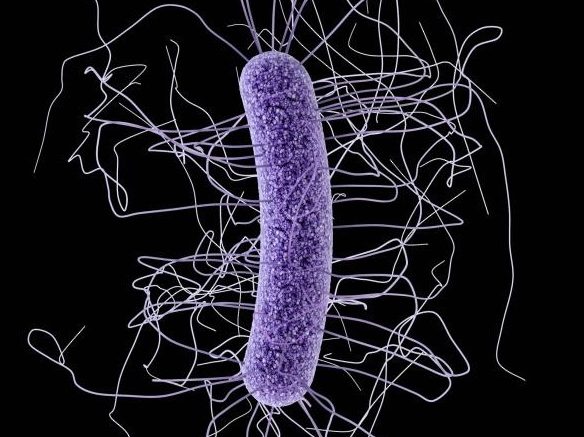
In some people, reoccurring infections caused by a bacterium called Clostridioides difficile, or C. diff, can severely disrupt the gut microbiome. The infection often takes hold after repeated antibiotic use, when healthy bacteria have been depleted.
Fecal microbiota transplantation can help restore a healthy balance of microbes in patients with C. diff infection, and is also being studied as potential treatment for other conditions, including irritable bowel syndrome, Crohn’s disease and even depression.
However, one of the major challenges is predicting which donor microbes will successfully stay in the gut of the patient long term.
Now, an international team at King’s and the Karolinska Institute in Sweden – whose team was led by professor Adnane Achour - have tracked key genetic features of gut bacteria in 86 healthy adults over the course of a year.
Rather than simply focusing on which bacteria were present, the team examined biosynthetic gene clusters – or groups of genes - that instruct bacteria to produce certain molecules. These molecules help microbes compete with one another and influence which ones survive in the gut.
Dr Fernando Guevara, a Research Associate in Translational Systems Biology at King’s College London and first author of the study, said: “Analyzing gut bacteria based on what they produce could help to discover new medicines or better control infections”.
They found that this group of genes fall into two distinct categories. One group was stable and consistently present over time, whilst the other only appeared sporadically.
When the researchers examined what happened during fecal transplantation, they found that the stable gene groups were far more likely to be present in patients long-term. On average 76% of these stable genetic features present in donors were detected in patients after transplantation, compared with just 28% of the more transient ones.
Encouragingly, the stable gene groups were linked to traits that help good bacteria compete and survive, and less associated with genes linked to harmful behavior. This raises the possibility of using them as a source of future drugs inspired by bacteria already living in our bodies.
Previous research by King’s suggests the microbes most capable of long-term survival may also be much more helpful within the gut.
Shoaie added, “By identifying the genetic features that predict which donor microbes will successfully colonize the gut, we are one step closer to improving donor selection and designing safer.
“This result can be a blueprint for live biotherapeutics (LBT), meaning rational design is possible and enabling more precise and scalable microbiome-based therapeutics.”
Source: King's College London